About Car Recovery Dubai UAE
A recovery company built for the moment your journey stops.
Car Recovery Dubai UAE coordinates towing, vehicle recovery and roadside support across Dubai. Every request begins with four facts: where the vehicle is, what condition it is in, whether the location is accessible and where it needs to go.
If anyone is injured or the vehicle is blocking a live traffic lane, contact emergency services first.
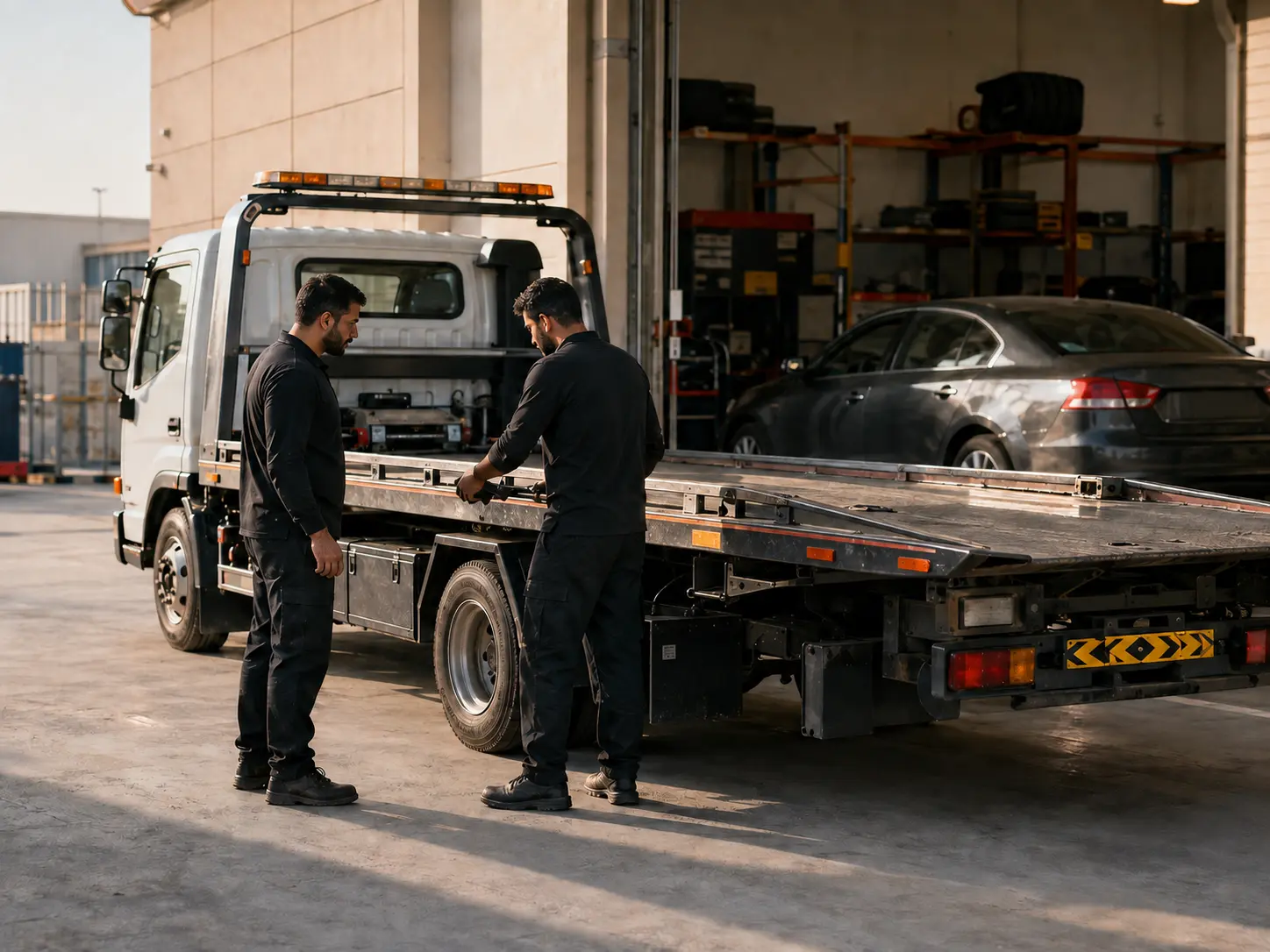
Location · vehicle · access · destination
Who we are
Practical help when a vehicle can no longer continue safely.
We are a Dubai vehicle recovery contact for breakdowns, transport requests and roadside problems. Our role is to understand the situation, identify a sensible service direction and coordinate the collection or assistance clearly.
A vehicle that will not start may need roadside support. A car with wheel, steering, braking or collision damage may need transport. A low-clearance car, motorcycle, basement recovery or vehicle stuck in sand can require different access and loading considerations. Treating every call as the same towing job creates avoidable uncertainty, so dispatch begins with accurate information.
This page explains how we work rather than repeating every individual service. Detailed guidance remains on the relevant recovery service pages.
Facts before dispatch
Location, vehicle condition, access and destination shape the response.
Clear service direction
Roadside support and towing solve different types of problems.
Care before movement
The vehicle and pickup environment are considered before loading begins.
The first conversation
A useful recovery request is more than “my car stopped.”
Small details can change the equipment, approach route and time needed at pickup. Before dispatch, customers should send the live pin and explain whether the vehicle can start, roll, steer and brake. The road direction, parking level, visible damage and destination can be equally important.
Live pin, road direction, exit, building or parking level.
Make, model, symptoms, warning lights and visible condition.
Basement height, narrow turns, sand, traffic or loading restrictions.
Workshop, home, storage site or another confirmed handover point.
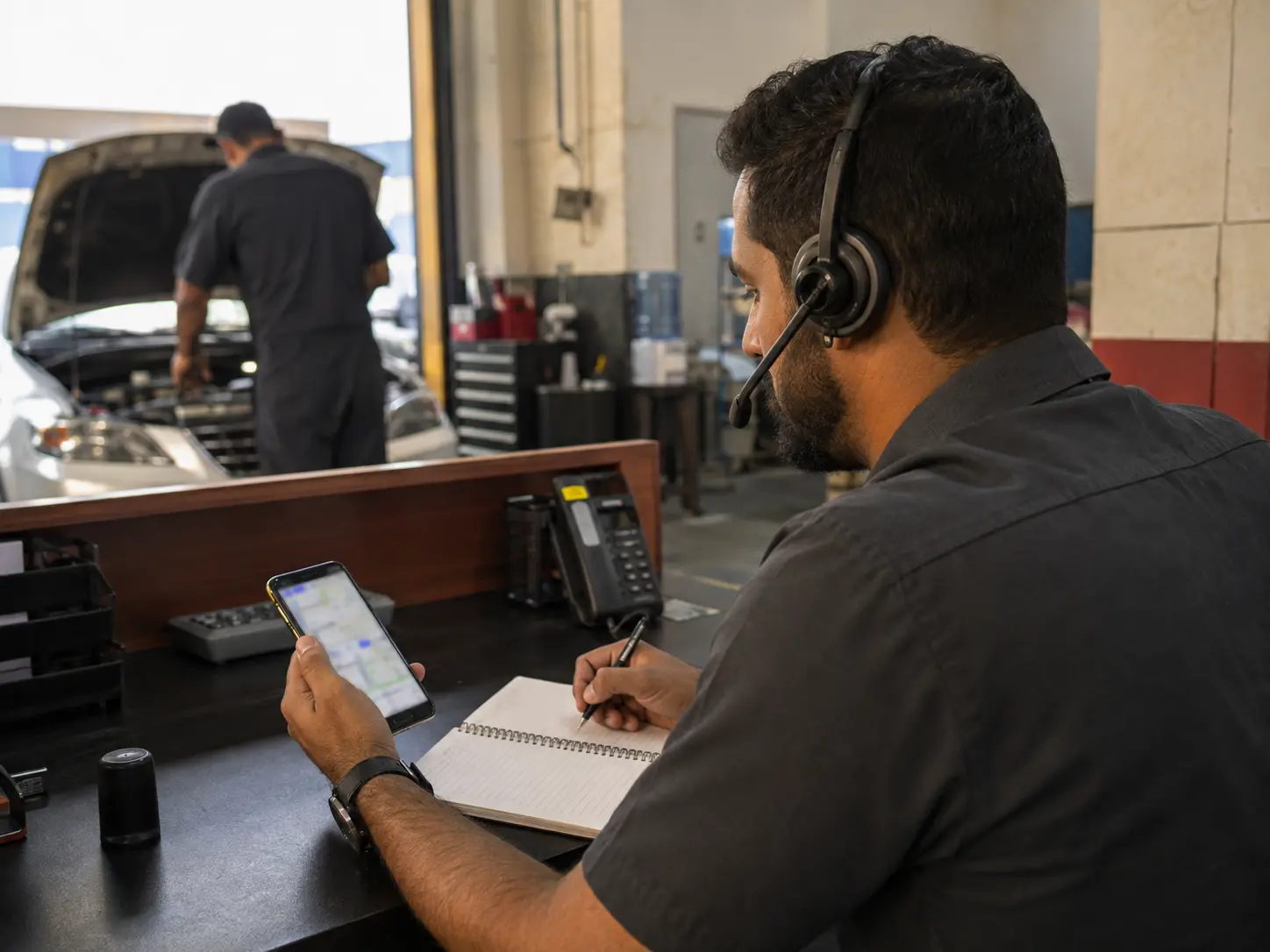
How recovery is coordinated
From first call to confirmed handover.
A clear sequence keeps the customer, recovery operator and receiving location aligned.
- 01
Receive the details
The live location, vehicle, problem, access and destination are recorded.
- 02
Match the direction
Roadside help, towing, flatbed transport or specialist recovery is considered.
- 03
Confirm the request
The pickup, destination, service direction and quoted price are agreed before dispatch.
- 04
Check before movement
Vehicle condition, loading access and obvious hazards are reviewed at the location.
- 05
Transport and hand over
The vehicle is taken to the agreed destination and handed over at the receiving point.
Recovery decision guide
The vehicle condition changes the next step.
This table is a starting guide, not a remote diagnosis. The real condition and access at pickup determine the suitable response.
| Situation | What to share | Useful starting point |
|---|---|---|
| Vehicle will not start | Warning lights, sounds, battery symptoms and whether the location is safe. | Roadside assistance may be considered before towing. |
| Vehicle cannot move safely | Wheel, tyre, steering, braking or fluid concerns and the destination. | Vehicle towing may be the safer direction. |
| Low-clearance vehicle | Model, ride height, modifications, wheel condition and loading access. | Ask whether flatbed towing suits the vehicle. |
| Collision damage | Authority instructions, visible damage, leaking fluids and whether wheels can roll. | Follow the accident recovery process. |
| Basement or restricted access | Entrance height, ramp angle, turning space, level and wheel movement. | Access must be assessed before choosing the recovery vehicle. |
| Vehicle stuck in sand | Live pin, vehicle angle, terrain, wheel position and nearest firm access. | A controlled winching or pull-out plan may be needed. |
Do not attempt roadside repairs or move a damaged vehicle when doing so could expose people to traffic, fire, leaking fuel or another immediate hazard.
Dubai recovery environments
The pickup location is part of the recovery problem.
A familiar area name helps, but a live pin and access details are more useful for planning.
Direction and safety come first
On divided roads, share the direction of travel, last exit and safest visible landmark. If the vehicle is in a live lane, use emergency services before routine recovery.
Height and turning space matter
Basement height, ramp slope, parking level and wheel position can affect which equipment can reach the vehicle.
Security and loading points
Malls, hotels, towers and gated communities may require access approval or a designated service entrance.
A firm recovery path is essential
Send clear images only when safe and identify the nearest firm access point. People should stay away from cables and the extraction path.
Both ends of the route must be ready
For long-distance transport, confirm full pickup and delivery details plus receiving hours before collection.
Handling standards
Careful recovery starts before the vehicle moves.
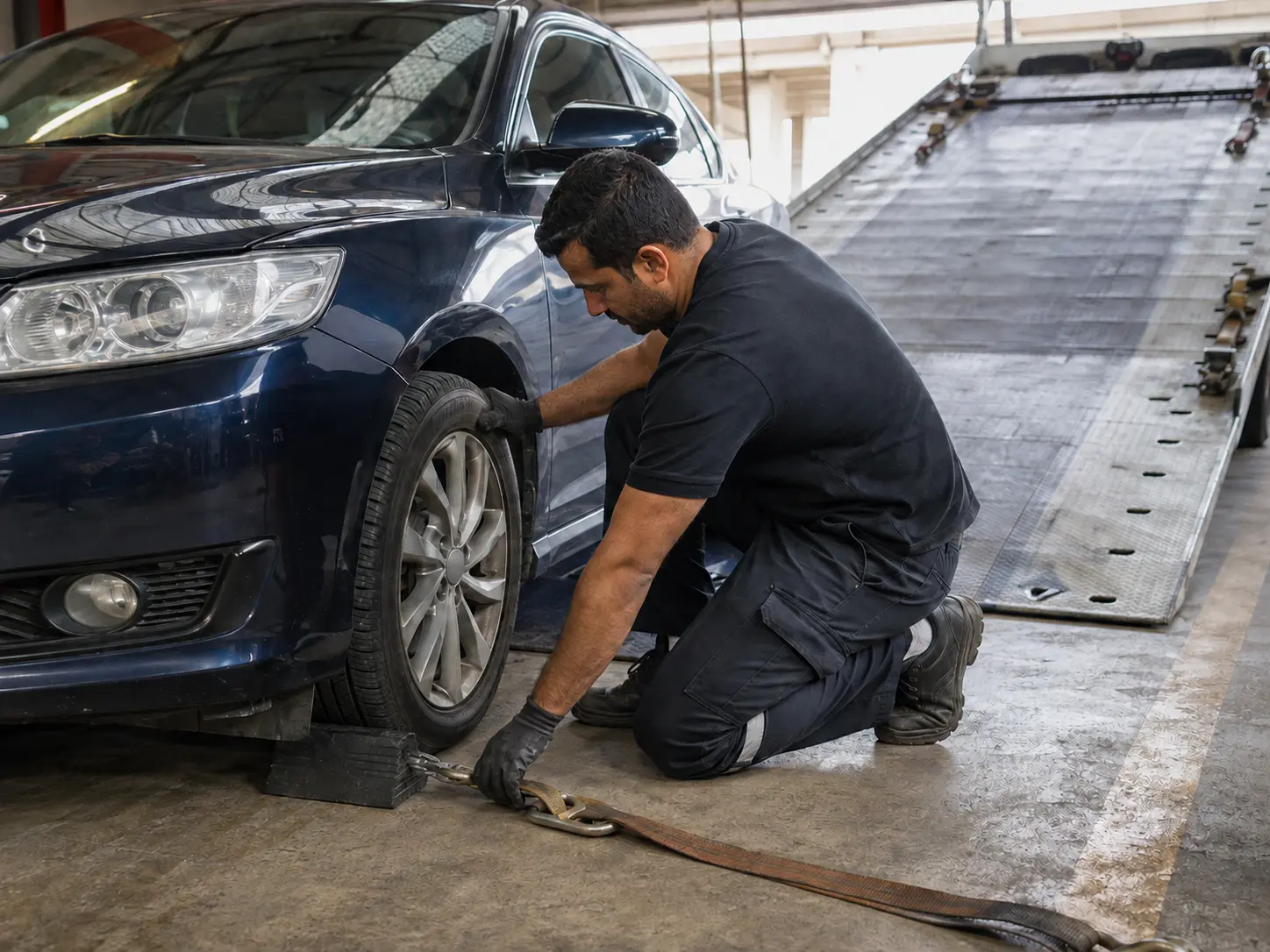
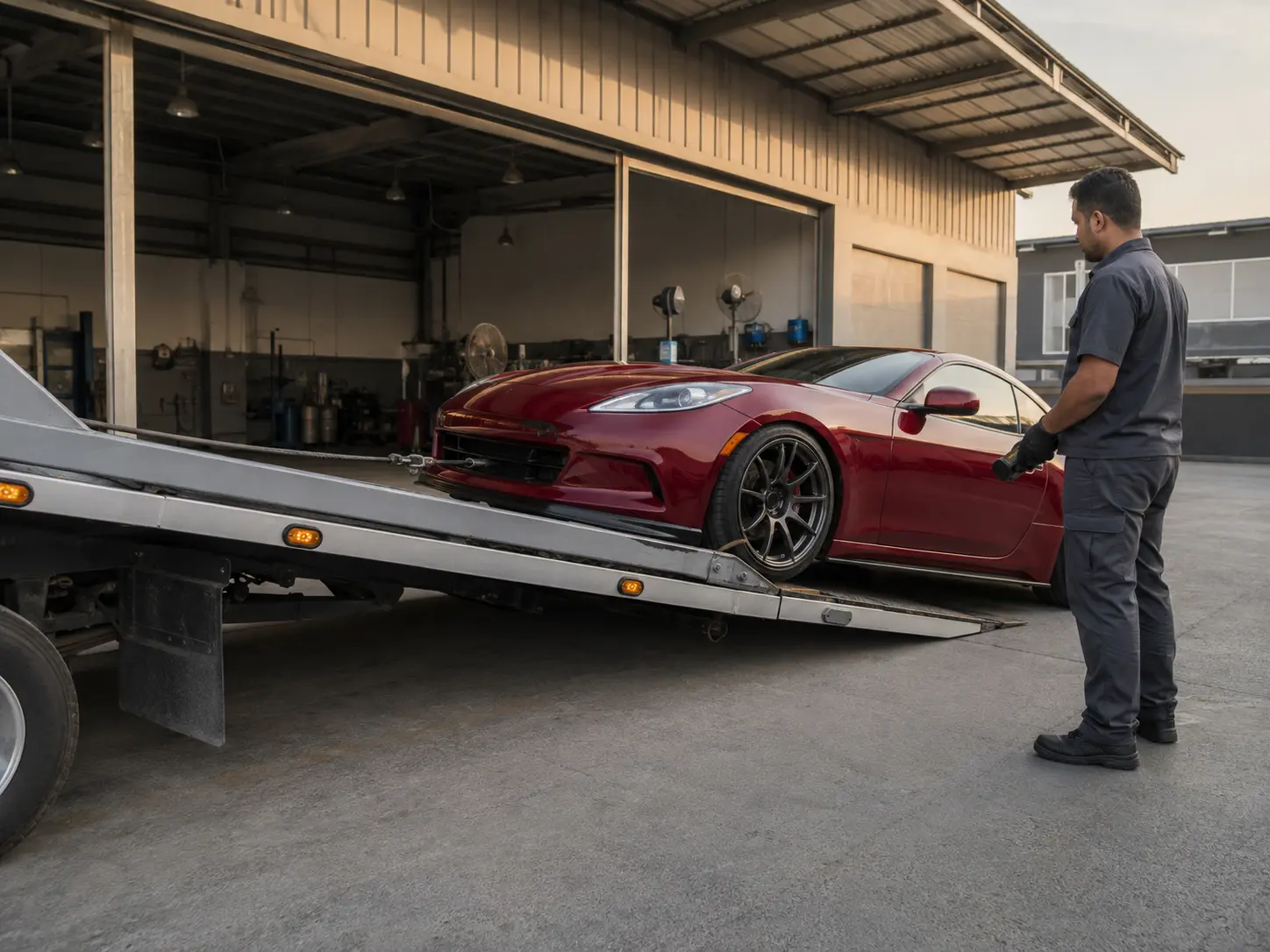
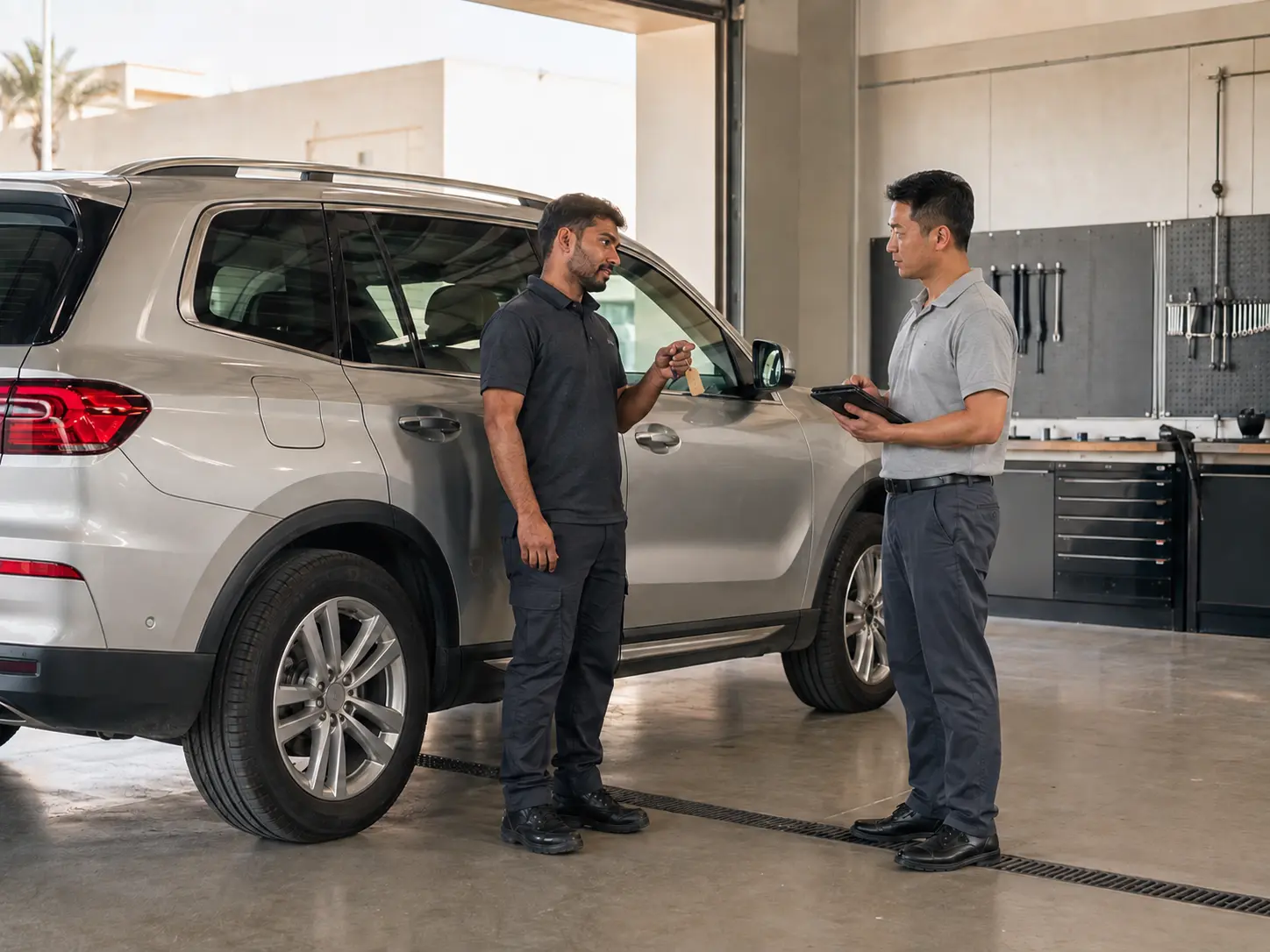
Recovery is not only the journey between two points. The vehicle position, loading space, wheel condition, steering and visible body damage should be understood before movement begins.
- 01
Review the visible condition
Check damaged wheels, low clearance, leaks, collision damage and obstacles around the vehicle.
- 02
Plan the loading approach
Use the available space and suitable contact points without treating every vehicle identically.
- 03
Confirm the route
Know the destination, access restrictions and receiving hours before transport begins.
- 04
Complete the handover
Deliver the vehicle to the agreed receiving point and confirm the handover.
Clearer quoting
A useful quote begins with a complete route and an honest vehicle description.
Recovery prices can vary because a standard roadside collection, a basement recovery, a damaged vehicle and an inter-emirate transport request do not involve the same route, equipment or loading conditions. Instead of relying on an unexplained headline price, customers should confirm the details that affect the work.
Distance, direction, toll routes and the receiving location.
Size, clearance, wheel movement, collision damage and modifications.
Traffic, basement height, narrow turns, sand or restricted loading space.
The equipment and recovery direction needed for the real situation.
Where we help
Dubai recovery with transport options across the UAE.
Dubai is the primary recovery area. For a request outside Dubai, both pickup and destination should be confirmed before dispatch.
Trust through useful information
Evidence is stronger than a dramatic company story.
This page does not use an invented founder biography, unsupported fleet totals, fixed response promises or unverifiable awards. Customers should be able to judge a recovery company using details that help them act now.
- 01A consistent phone and WhatsApp contact.
- 02Clear explanations of dispatch, loading and handover.
- 03Service pages that separate roadside, towing and specialist needs.
- 04Operating claims limited to information the business can support.
Clear answers
What drivers usually need to know.
These answers summarize our operating approach. The appropriate response still depends on the real vehicle and location.
What does Car Recovery Dubai UAE do?
We coordinate towing, vehicle recovery, roadside support and transport based on the driver’s location, vehicle condition, access and destination.
Does every breakdown require towing?
No. A battery, fuel, tyre or lockout problem may be suitable for roadside assistance when the location is safe and there is no additional fault. Towing is appropriate when the vehicle cannot continue or be handled safely at the location.
When might a flatbed be appropriate?
A flatbed may be considered for low-clearance, premium, all-wheel-drive or accident-damaged vehicles. The final choice depends on drivetrain, wheel condition, access and the loading approach.
Can a vehicle be recovered from a basement?
Some basement recoveries are possible, but the entrance height, ramp angle, turning space, parking level and vehicle position must be shared before dispatch.
What should I confirm before dispatch?
Confirm the pickup point, vehicle details, service direction, destination and quoted price. Mention any access restriction or damage that may change the recovery method.
Need recovery help now
Send the location first. We will ask for the rest.
Share your live pin, vehicle make and model, what happened and the destination you prefer.