01
Call or WhatsApp
Call the recovery line or open WhatsApp. If the vehicle is in a dangerous position, contact emergency services first.
Need towing, a flatbed, roadside assistance, accident recovery, or help with a dead battery, lockout, fuel shortage, basement or sand recovery? Call or WhatsApp your live location and vehicle details so the suitable recovery option can be arranged.
In a live traffic lane or after an injury, contact emergency services first.
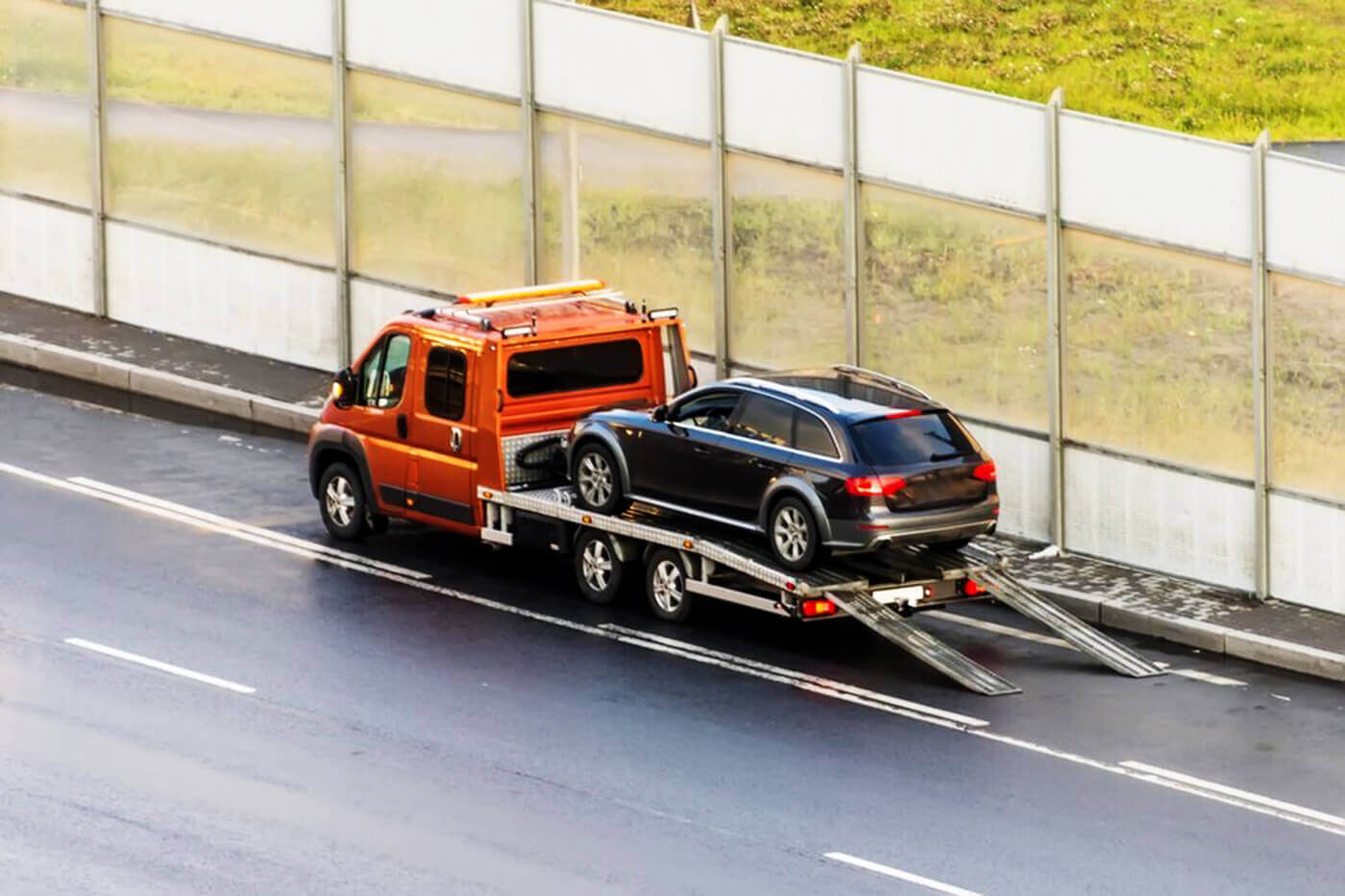
TOWING, RECOVERY & ROADSIDE HELP
Some problems need transport; others can be handled at the roadside. Share the vehicle, location and symptoms so the response can match the situation, from standard towing and flatbed transport to battery, fuel, lockout, accident, basement and desert recovery.
View all recovery servicesCAR RECOVERY SERVICES
Choose the closest situation below. If you are unsure, call with your live location and describe whether the vehicle can start, roll, steer and brake.
 View service
02
ROAD-SIDE ISSUE
Roadside assistance
Battery, tyre, fuel and lockout help when the vehicle may not need to be towed.
View service
02
ROAD-SIDE ISSUE
Roadside assistance
Battery, tyre, fuel and lockout help when the vehicle may not need to be towed.
 View service
03
COLLISION SUPPORT
Accident recovery
Recovery and transport for vehicles that should not be driven after a collision.
View service
03
COLLISION SUPPORT
Accident recovery
Recovery and transport for vehicles that should not be driven after a collision.
 View service
04
STUCK VEHICLE
Winching and sand pull-out
Controlled pull-out for vehicles stuck in sand, off-road terrain, basements or restricted access.
View service
04
STUCK VEHICLE
Winching and sand pull-out
Controlled pull-out for vehicles stuck in sand, off-road terrain, basements or restricted access.
 View service
HOW CAR RECOVERY WORKS
Call the recovery line or open WhatsApp. If the vehicle is in a dangerous position, contact emergency services first.
Send the live pin, vehicle make and model, what happened, and whether the vehicle can start, roll, steer or brake.
Confirm the suitable towing or roadside option, pickup point, destination and quoted price before dispatch.
Send your live location first for the quickest guidance.

THE RIGHT TRUCK FOR THE VEHICLE
A low-clearance sports car, an accident-damaged SUV, a van, a motorcycle and a vehicle trapped in a basement do not need the same truck or loading method. Location, access, drivetrain, wheel condition and destination should be understood before dispatch.
Ask about flatbed towing or specialist transport for sports and luxury vehicles.
Share the entrance height, parking level, turning space and whether the wheels can roll.
Send a live pin and clear photos of the wheels, terrain and nearest firm access point.
Prioritize personal safety, follow police or authority instructions, and report visible wheel or body damage.
AREAS WE COVER
Dubai is the primary recovery zone, with service links for Abu Dhabi, Sharjah and Ajman. Timing varies with traffic, truck availability, access and the recovery required.
CAR RECOVERY COST
Share these before dispatch so the correct vehicle and equipment can be considered from the start.
Share both locations, the road direction or nearest exit, and whether the trip stays within Dubai or continues to another emirate.
Send the make, model, vehicle type, drivetrain if known, and whether it is low-clearance, modified or carrying a load.
Explain whether the engine starts and whether the vehicle can roll, steer and brake. Mention damaged tyres, wheels or accident impact.
Mention basement height, tight turns, sand, mud, a live traffic lane or any restriction that may change the recovery method.
DUBAI RECOVERY COVERAGE
Dubai recovery requests can come from major roads, residential communities, commercial districts, hotel entrances, construction areas, underground parking and desert access points. An area name such as Dubai Marina, Downtown Dubai, Business Bay, Deira, Bur Dubai, Jumeirah, Al Barsha, JVC, Al Quoz, Jebel Ali or Dubai South is helpful, but a live pin is more accurate. Add the road direction, nearest exit, building name, parking level or landmark so the pickup point can be understood before the recovery vehicle starts moving.
On Sheikh Zayed Road, Al Khail Road, Mohammed Bin Zayed Road, Emirates Road and other divided roads, the direction of travel can change the practical route to your vehicle. If you are near an interchange, share which side of the road you are on and the last exit you passed. In a gated community, mall, hotel or tower, tell security that a recovery vehicle is expected and ask whether there is a service entrance, height restriction or designated loading point.
For transport beyond Dubai, confirm both emirates, full addresses and receiving hours. The site includes separate guidance for Abu Dhabi car recovery, Sharjah car recovery and Ajman car recovery. A complete route helps produce a clearer quote and reduces the chance of delay at pickup or drop-off.
CHOOSE THE RIGHT RECOVERY
The correct response depends on whether the problem can be handled where the vehicle stopped, whether it must be transported, and whether access or vehicle condition requires specialist equipment.
A vehicle does not always need to be transported. A flat battery, fuel shortage, puncture or lockout may be resolved at the roadside when the location is safe and the vehicle has no additional fault. Explain the warning lights, sounds and symptoms rather than guessing the diagnosis. This helps determine whether roadside assistance, battery support, fuel delivery or lockout help is the sensible first response.
If the engine starts again but warning lights remain, steering feels abnormal, braking is affected or fluid is leaking, do not assume the vehicle is safe to drive. Ask whether transport is the safer option.
Car towing is appropriate when the vehicle cannot continue safely and needs to move to a workshop, home, storage facility or another destination. The pickup point, destination, vehicle size, wheel condition and access all affect the truck and equipment required. Tell the recovery team if the keys are unavailable, the battery is completely dead, the parking brake is locked or the steering cannot be turned.
Before dispatch, confirm the destination and quote. Keep the destination contact available if the vehicle is being delivered to a workshop after business hours.
Flatbed towing keeps the vehicle fully supported during transport and may suit low-clearance cars, all-wheel-drive models, premium vehicles and accident-damaged vehicles. It can also be useful when tyres, wheels, suspension or drivetrain components may have been affected. Share the exact make, model and visible damage so loading requirements can be considered before the truck arrives.
For a sports or luxury vehicle, mention low front splitters, air suspension, carbon components, modified ride height and any manufacturer towing restrictions you know about.
A basement, tight parking structure, soft sand, mud or off-road position may need controlled extraction before the vehicle can be loaded. For a basement, send the entrance height, parking level, ramp angle, turning space and a photo of the route to the vehicle. For winching or sand recovery, share the live pin, vehicle position, terrain and nearest point with firm access.
Do not continue spinning the wheels in soft sand. It can dig the vehicle deeper and make the recovery more difficult. Wait for guidance and keep people clear of straps, cables and the recovery path.
COMMON RECOVERY SITUATIONS
You do not need to diagnose the fault. A clear description, a live location and a few practical details help avoid sending an unsuitable recovery vehicle.
If the vehicle can move safely, reduce speed gradually and reach a safe position away from moving traffic. Switch on hazard lights and keep occupants away from the traffic side where possible. Share the road name, direction of travel, nearest exit and live pin. If the vehicle is stopped in a live lane, visibility is poor or anyone is injured, contact emergency services before arranging routine recovery.
Basement recovery is an access problem as much as a towing problem. Send the building name, parking level, entrance clearance, ramp photos and the vehicle position. Explain whether the wheels roll and whether steering is available. Low roof height or tight turns may prevent a standard truck from reaching the vehicle, so these details should be confirmed before dispatch.
A dead battery may need testing, a jump start or battery replacement. A fuel shortage may be handled through emergency fuel delivery. Lockout support depends on the vehicle and key situation. Tell the team whether the engine starts, whether a spare key is available, and whether the vehicle is parked safely.
Personal safety and official instructions come first. Once the scene can be approached safely, describe visible wheel, suspension, body or fluid damage and whether airbags deployed. Confirm where the vehicle should be taken and whether your insurer has specific instructions. Accident recovery may require careful loading even when the vehicle still starts.
Share the exact pin, vehicle type, drive system, tyre condition and clear photos of the terrain. Identify the nearest firm access route and tell the team if the vehicle is tilted, grounded or close to an obstacle. Avoid standing near recovery cables or between vehicles. Controlled extraction should protect occupants, the vehicle and the surrounding recovery path.
For transport outside the immediate area, provide the full pickup and destination details before requesting a quote. Confirm access and receiving hours at both locations. Long-distance towing may be used for workshop transfers, vehicle relocation or transport between emirates. Abu Dhabi, Sharjah and Ajman service pages provide location-specific guidance.
WHILE YOU WAIT
A breakdown is stressful, but the next safe action matters more than diagnosing the fault. Use the guidance below only when it can be followed without placing anyone closer to moving traffic or another hazard.
If the vehicle can be controlled, move gradually to a safer position away from traffic. Do not attempt to push or repair a vehicle in a live lane.
Switch on hazard lights. Use a warning triangle only when local conditions allow it to be placed without exposing you to traffic.
Choose the safest available waiting position. Avoid standing between vehicles, beside a live lane or in the path where a recovery truck will need to operate.
Send the live pin, road direction, nearest landmark, vehicle make and model, visible condition and preferred destination. Photos can clarify access and damage.
If anyone is injured, the vehicle blocks a live lane, fuel is leaking, smoke is visible or the location is unsafe, contact emergency services before routine recovery.
QUESTIONS, ANSWERED
For the fastest answer, share your live location, vehicle details, destination and what happened.
Contact the recovery teamThe price depends on pickup and destination, vehicle type, condition, access and the recovery method required. Share these details and ask for the quote before dispatch.
Share your live pin or nearest landmark, vehicle make and model, what happened, whether it can start, roll, steer and brake, plus the destination you prefer.
Roadside assistance may solve a battery, fuel, tyre or lockout issue without transport. Towing is needed when the vehicle cannot be repaired or driven safely at the location.
A flatbed may be suitable for low-clearance, premium, all-wheel-drive or accident-damaged vehicles. The correct method depends on drivetrain, wheel condition and access.
Timing varies with your location, traffic, truck availability, access and recovery type. Share your live pin for current guidance rather than relying on a fixed estimate.
24/7 CAR RECOVERY IN DUBAI & THE UAE
Call or WhatsApp with your live pin, vehicle details, what happened and the destination. We will help identify the suitable recovery or roadside option.