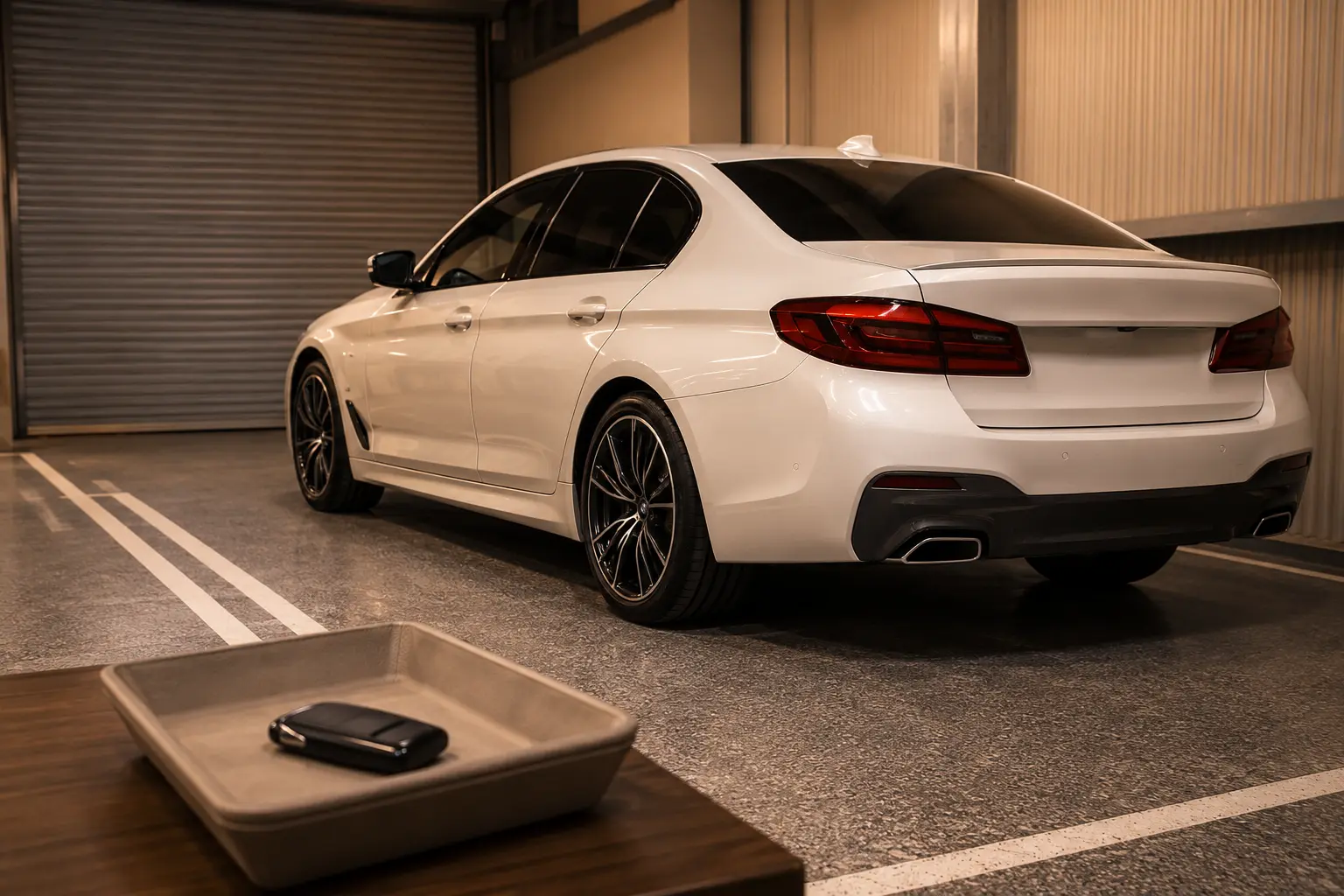
Car storage planned around your vehicle and dates
Arrange short-term or longer vehicle storage with a documented handover, clearly agreed access conditions and a quotation based on the vehicle, requested period and any transport or preparation needed.

Start with the conditions that matter
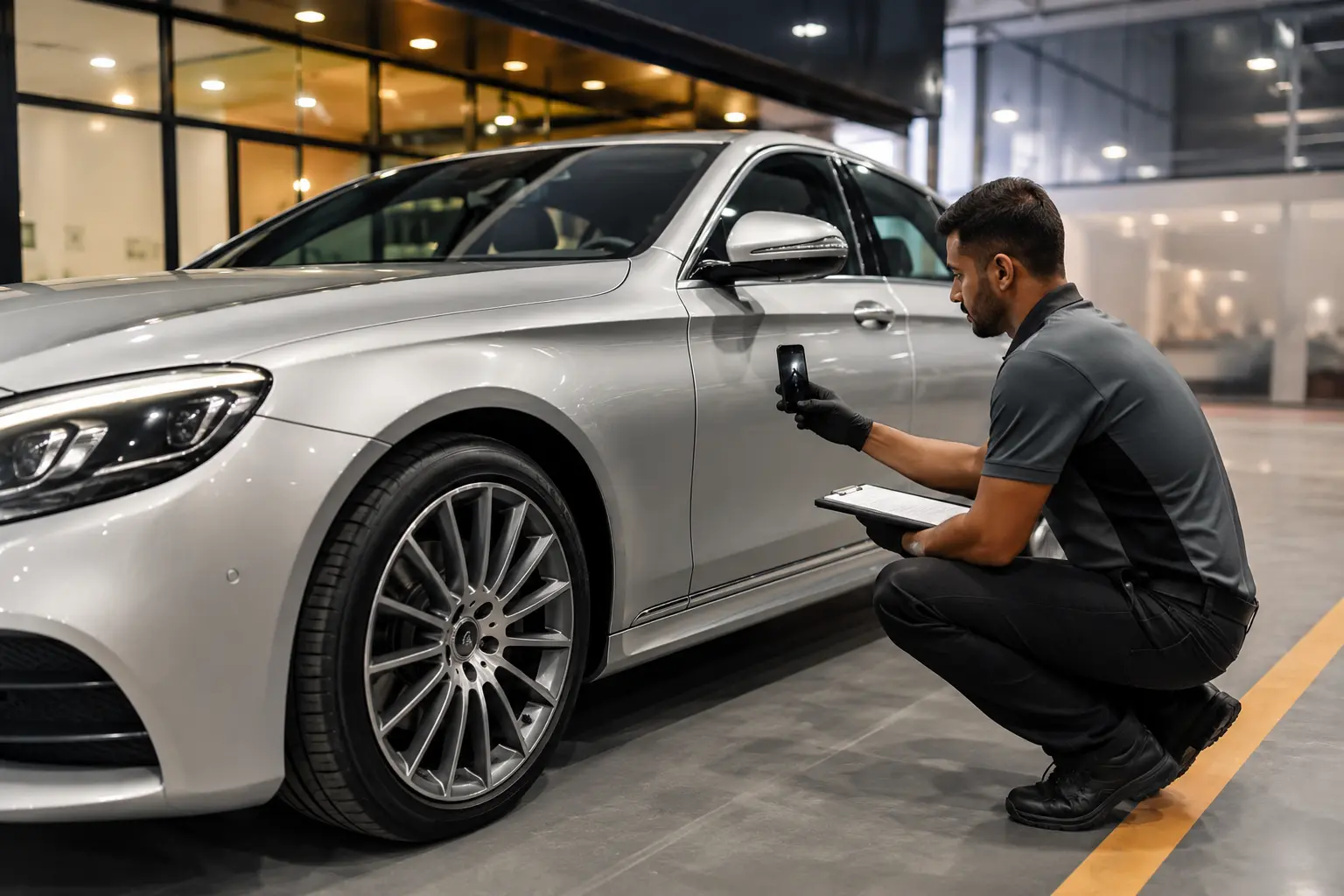
Vehicle storage is more than finding an unused parking space. The suitable arrangement depends on how long the vehicle will remain, its dimensions and current condition, how it will arrive, whether access may be needed during the stay and what preparation is agreed before handover. A daily-use hatchback left during a short trip does not have the same priorities as a classic car, a low-clearance sports car or an electric vehicle stored for several months.
This page is dedicated to car storage in Dubai. It does not replace routine parking, emergency recovery or a transport-only service. If the vehicle cannot be driven safely to the agreed location, collection can be discussed separately and matched to the vehicle condition and access.
A clear written quote should identify the storage period, access procedure, handover requirements, included handling and any separately requested care. That distinction prevents assumptions about battery support, cleaning, tyre checks or periodic start-up.
When comparing options, ask for the practical details behind each label. Indoor storage may reduce direct exposure but does not automatically mean temperature or humidity control. Covered storage may reduce sun exposure while remaining open to dust and changing air conditions. Outdoor storage may be suitable for some short stays but requires a different discussion about covers, paint condition and heat exposure. The best choice depends on the vehicle, its value, its sensitivity to inactivity and the length of the booking.
Also decide how quickly the vehicle may be needed. A car stored for travel should have a clear collection notice and identity process. A vehicle awaiting sale or workshop work may need access by an authorised transporter or technician. A collector car may need stricter key control and a more detailed condition record. Put these requirements into the quotation before deciding between options.
Indoor, covered, climate-controlled, monitored and insured are different claims. Confirm the actual facility type, security arrangements, liability terms and included checks in writing rather than relying on general marketing wording.
Match the storage plan to the stay
The comparison helps shape your enquiry. Availability, minimum periods and actual inclusions still need confirmation for your dates.
| Situation | Usually considered for | Priorities to discuss | Information for the quote |
|---|---|---|---|
| Short stay | Travel, relocation overlap, workshop scheduling or a temporary parking gap | Arrival and collection windows, key handover and access during the stay | Exact dates, vehicle size, location and drivability |
| Longer stay | A vehicle unused for several weeks or months | Battery condition, tyres, fluids, cleanliness and agreed periodic care | Expected duration, vehicle history and requested handling |
| Special vehicle | Classic, luxury, performance, modified or low-clearance vehicles | Clearance, loading points, covers, alarms and model-specific restrictions | Model, dimensions, ride height and current condition |
| Electric or hybrid | Vehicles with high-voltage systems and manufacturer-specific storage guidance | State of charge, 12-volt battery, key location and charging expectations | Model, current charge, warnings and requested access |
| Non-running vehicle | Damaged, faulty or immobilised vehicles awaiting repair, sale or onward transport | Loading, wheel movement, steering, braking and safe unloading | Fault, location, photos, wheel condition and destination access |
Heat, dust and inactivity change the plan
Dubai conditions can affect a stationary vehicle differently from one used regularly. The right response depends on the storage environment, the vehicle and the length of the stay. These risks should guide the questions you ask, not become unverified promises about the facility.
High temperatures can accelerate battery discharge, affect interior materials and increase pressure changes. Ask whether the space is indoor, covered or exposed and how that matches your vehicle.
Dust can settle on paint, seals and openings. Confirm whether cleaning, a suitable cover or preparation is permitted and who is responsible for it.
A vehicle remaining in one position can develop pressure loss or temporary flat spotting. Confirm pressure before handover and agree any movement or checks rather than assuming them.
Alarm systems, trackers and control modules continue to use power. Share any known battery weakness and confirm whether support or periodic checks are available.
Conditions vary between exposed, enclosed and temperature-managed spaces. Ask how ventilation and moisture are handled, especially for a classic or rarely used car.
Small leaks, warning lights or weak tyres may worsen while the vehicle stands. Disclose them before arrival so the location and handling can be assessed.
Prepare the vehicle and the record
Preparation should be proportionate to the storage period and vehicle. A documented starting condition protects both the owner and the storage provider from uncertainty at collection.
Take valuables, access cards, toll tags and documents that do not need to remain in the car.
Photograph each side, wheels, glass, cabin and mileage in consistent light at handover.
Report warning lights, fluid leaks, weak batteries, damaged tyres, brake issues and starting problems.
Confirm pressure and visible condition. Ask what, if anything, is included during a longer stay.
Do not disconnect or connect equipment without model-appropriate guidance and written agreement.
Follow suitable manufacturer guidance and disclose unusual smells, low levels or recent repairs.
Agree how many keys are handed over, how they are labelled and who may authorise access.
Retain the quote, condition record, contact details and collection or extension procedure.

One storage routine does not fit every car
Share model-specific information before handover. The storage provider can only plan around requirements that have been disclosed and agreed.
Daily-use cars and SUVs
Confirm dates, key handover, current tyre and battery condition, personal-item removal and how the vehicle will be collected. If travel plans can change, understand the notice needed for an extension.
Luxury and performance cars
Discuss ride height, wide bodywork, sensitive paint finishes, alarm systems and any loading restrictions. Do not assume a general parking space suits a low splitter or air-suspension fault.
Classic and collector cars
Long inactivity can make moisture, battery, seals, tyres and fuel condition more important. Provide known starting procedures and confirm every requested care action in writing.
Electric and hybrid vehicles
Follow model-specific manufacturer guidance for storage charge. Disclose high-voltage or 12-volt battery warnings and never assume charging is available or included.
Damaged and non-running vehicles
Explain whether the car starts, rolls, steers and brakes. Send photos of damaged wheels, suspension or bodywork so transport and unloading requirements can be discussed before collection.
From enquiry to collection
Each step should confirm responsibility before the vehicle changes hands.
Share the brief
Send the make, model, condition, current location, planned dates and whether the vehicle can be driven.
Confirm the arrangement
Review facility type, access conditions, quoted inclusions, transport needs and extension terms.
Record the handover
Confirm photographs, mileage, fuel or charge level, existing faults, keys and authorised contacts.
Collect and compare
Give the required notice, verify identity and review the vehicle against the signed handover record.
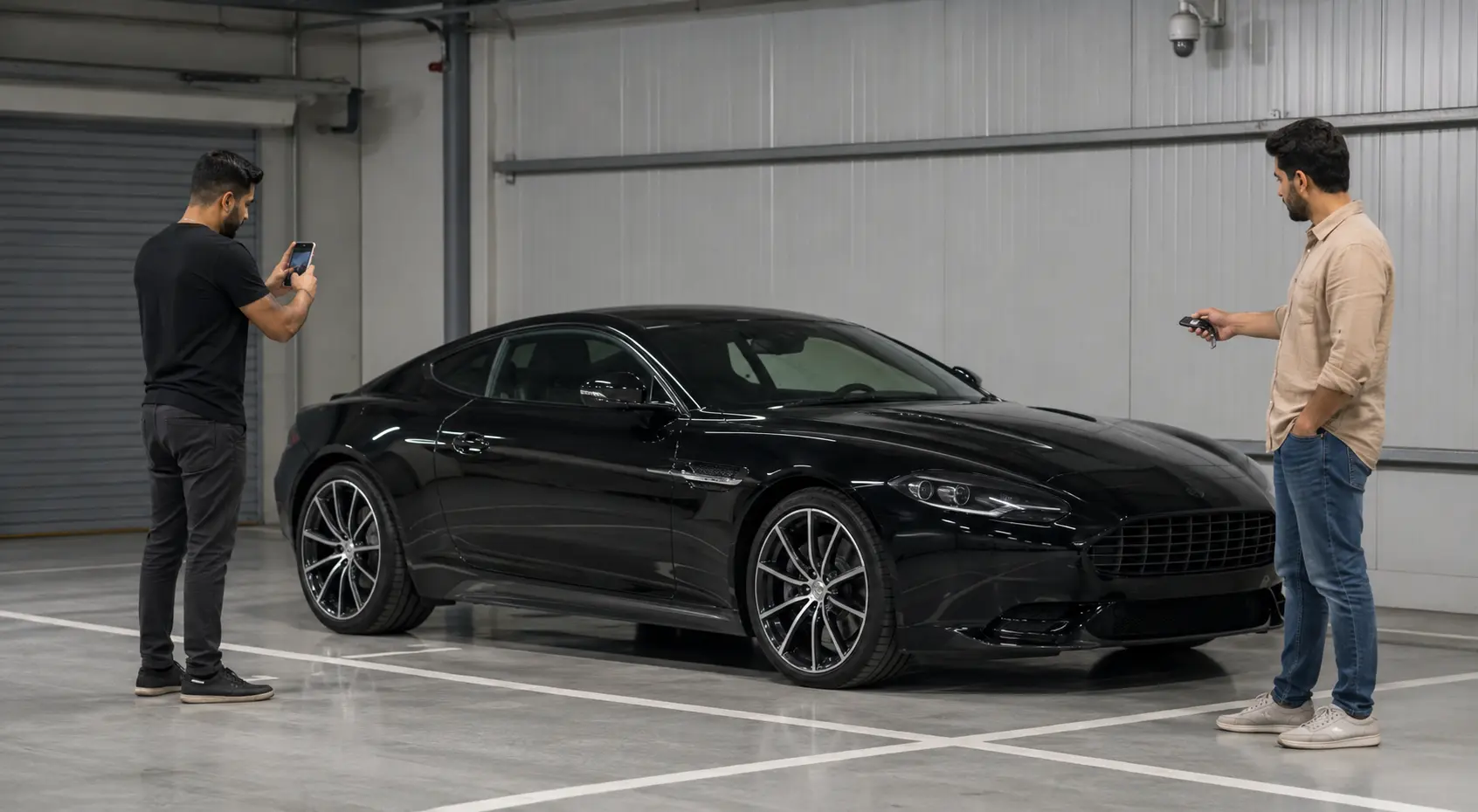
Agree access, care and responsibility
Many disputes begin with an assumption that was never written down. Ask direct questions before booking and keep the answers with the quotation and condition record.
Confirm whether the owner may visit, how much notice is needed and what identification or written authorisation another person must provide.
Storage does not automatically include washing, charging, tyre checks, engine starts or vehicle movement. List requested actions and their frequency in writing.
Confirm the number of keys handed over, how key custody is recorded and who is permitted to move or release the vehicle.
Ask about the physical facility, access control, monitoring, owner insurance and the provider’s liability terms. Request documents where relevant.
Understand notice for early collection, an extended stay, a change of authorised collector or a transport request added later.
What changes vehicle storage cost
Arrival date, collection date, minimum stay and possible extension.
Length, width, height and space or clearance required.
Running, non-running, damaged, leaking or difficult to move.
Actual indoor, covered or outdoor arrangement when available.
Only preparation, care, access or transport agreed in advance.
Ask for one written quotation that separates storage, transport and optional handling. It should explain the storage period, facility type, access terms, payment schedule, extension procedure and any additional charges. Avoid choosing solely from an advertised monthly figure without confirming what it includes and whether it applies to your vehicle.
Towing and scheduled transport are separate services. Keeping the decisions separate makes the quote clearer and prevents this page from competing with emergency recovery searches.
If the vehicle cannot be driven
A non-running, damaged or low-clearance car may need a suitable loading method. Before dispatch, explain whether it starts, rolls, steers and brakes, whether any wheel is locked or damaged, the pickup access and the storage destination. Photos can help identify clearance or loading concerns, but final arrangements still need confirmation.
Flatbed transport may suit vehicles that need full support during movement, while planned premium transport may be relevant for particular luxury or specialist enquiries. The correct method depends on vehicle condition and access rather than the storage period alone.
What customers usually need to confirm
The most useful answer is the one written into your specific quotation.
How much does car storage cost in Dubai
Pricing depends on duration, vehicle size and condition, facility type, access requirements and any handling or transport agreed separately. Send exact dates and vehicle details for a relevant quote rather than relying on a general monthly figure.
Can I arrange short-term vehicle storage
Short stays may suit travel, relocation overlap or a temporary parking gap. Confirm availability, minimum duration, handover times, collection notice and access conditions for your dates.
What is the difference between indoor and covered storage
Indoor storage is within an enclosed structure, while covered storage may protect from direct sun or rain without providing a fully enclosed environment. Climate control is a separate feature and should never be assumed from the word indoor.
How should I prepare a car for long-term storage
Record its condition, remove valuables, disclose faults and check tyres, battery condition, fluids and cleanliness. Follow manufacturer guidance for the model and confirm any requested ongoing care in writing.
Can an electric car be stored
Storage planning should follow the vehicle manufacturer’s guidance for traction-battery charge and the 12-volt system. Share warnings or battery concerns and confirm whether charging or monitoring is actually available.
Can a non-running or damaged car be stored
It may be possible when transport, unloading and placement can be arranged safely. Explain whether the vehicle starts, rolls, steers and brakes and send photos of damaged wheels, suspension or bodywork before collection.
Is maintenance included during storage
Do not assume washing, charging, tyre checks, engine starts or maintenance are included. Request every required action, frequency and price in the written quote.
Can someone else collect my vehicle
This depends on the agreed authorisation and identity procedure. Confirm in advance what written permission and identification are needed and how the handover record will be completed.
What should I check about insurance and security
Ask for the actual facility and access arrangements, provider liability terms and any insurance documentation that applies. Also check whether your own motor policy covers a stored vehicle and under what conditions.
How do I extend or end the storage period
Follow the notice, payment and access process in the quotation. Contact the provider before the agreed collection date if plans change, since availability for an extension should not be assumed.
Send the vehicle and dates first
Tell us the make and model, current condition, storage start date, expected collection date, current location and whether the car starts and drives. If transport is needed, mention wheel, steering, braking and access conditions.
Availability, facility type, included care and final pricing must be confirmed in the written quotation.